
The leading element of a young person’s spiritual life is the birth of individuality, an experience of one's own "I." Learning how to be a part of society and, at the same time, to separate oneself from others is an important task at this age.
To cope with this task, a Waldorf curriculum proposes the following.
Agricultural practice (grade 9)
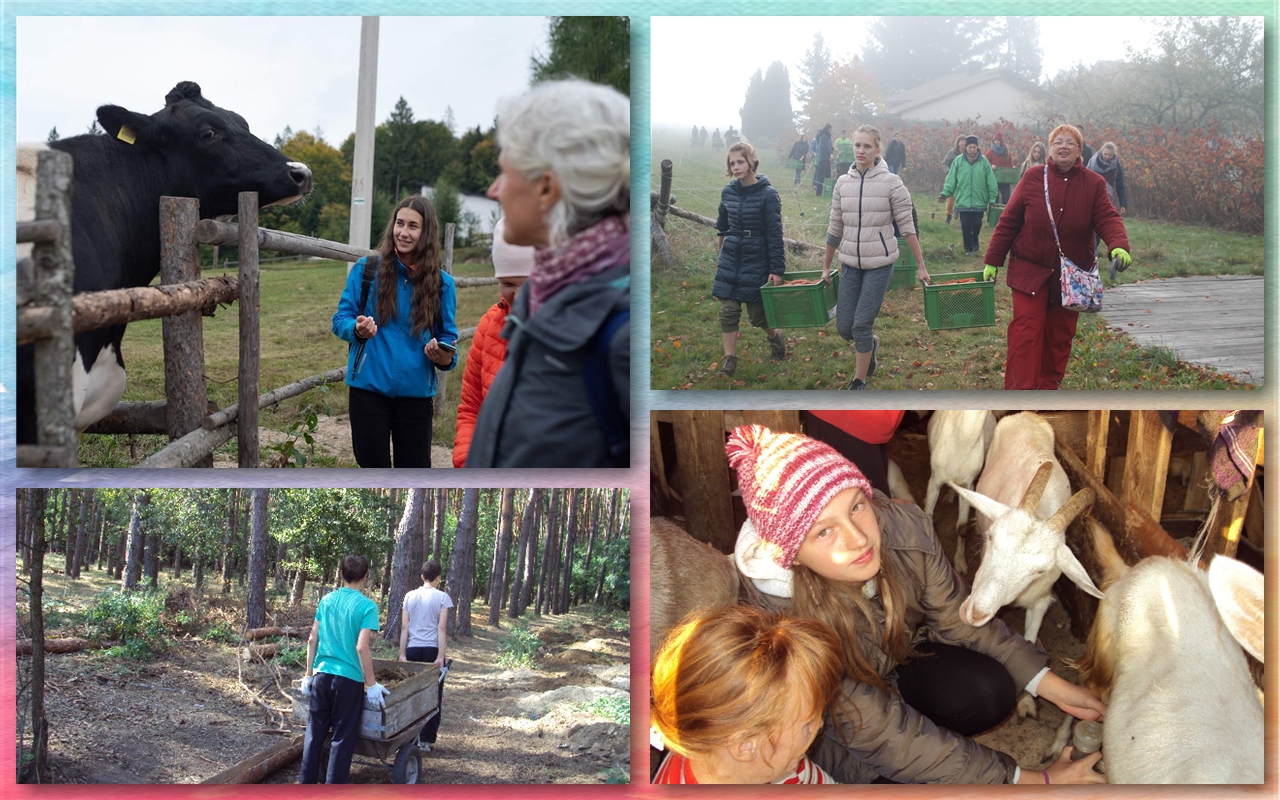
Agricultural practice involves working on the land. It usually takes place in biodynamic farms, where students participate in various kinds of tasks working with plants and animals. This gives the students invaluable experience working with natural farming, realizing themselves as a part of the Earth's natural cycles.
Industrial practice (grade 10)
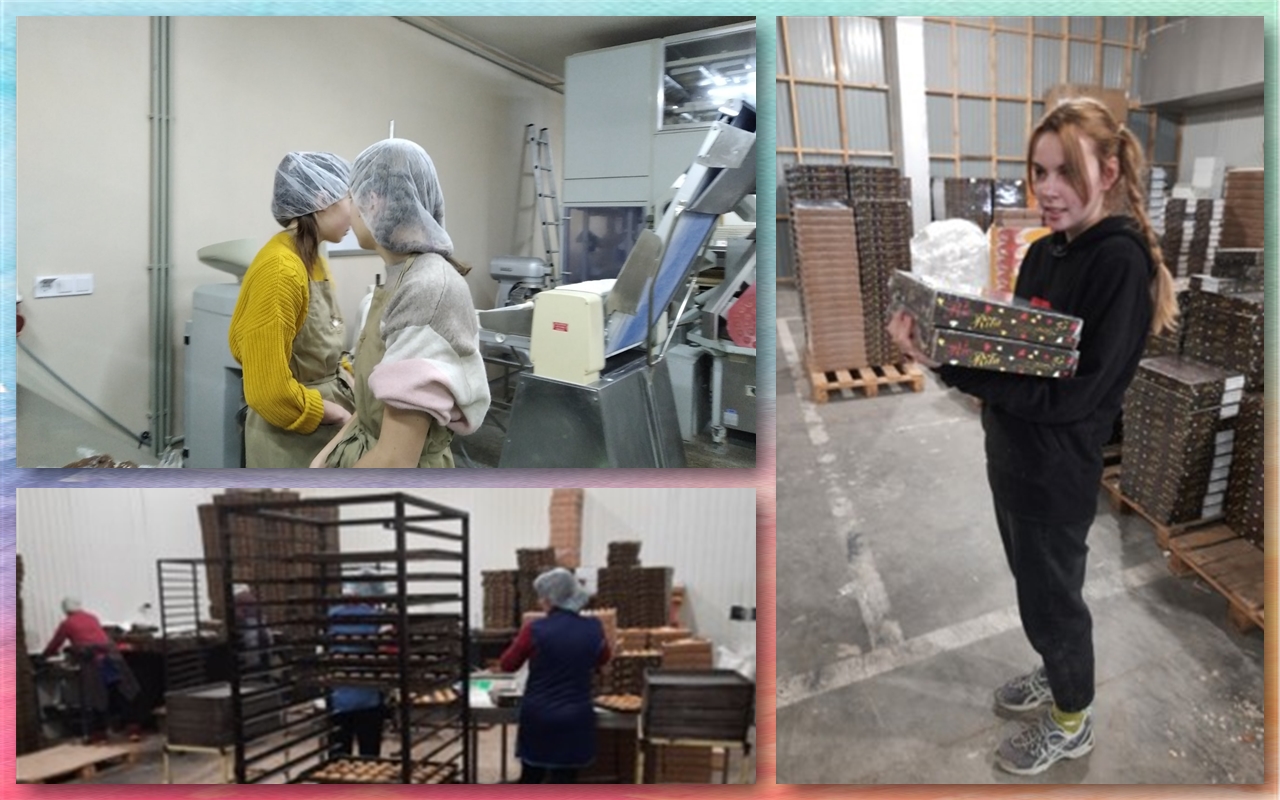
Through this practice, students get acquainted with various production processes, work relations, and how to be a part of a professional team. They observe and analyze the possibilities of a particular business, diving into the world of professional relations of adult life.
Social practice (grade 11)
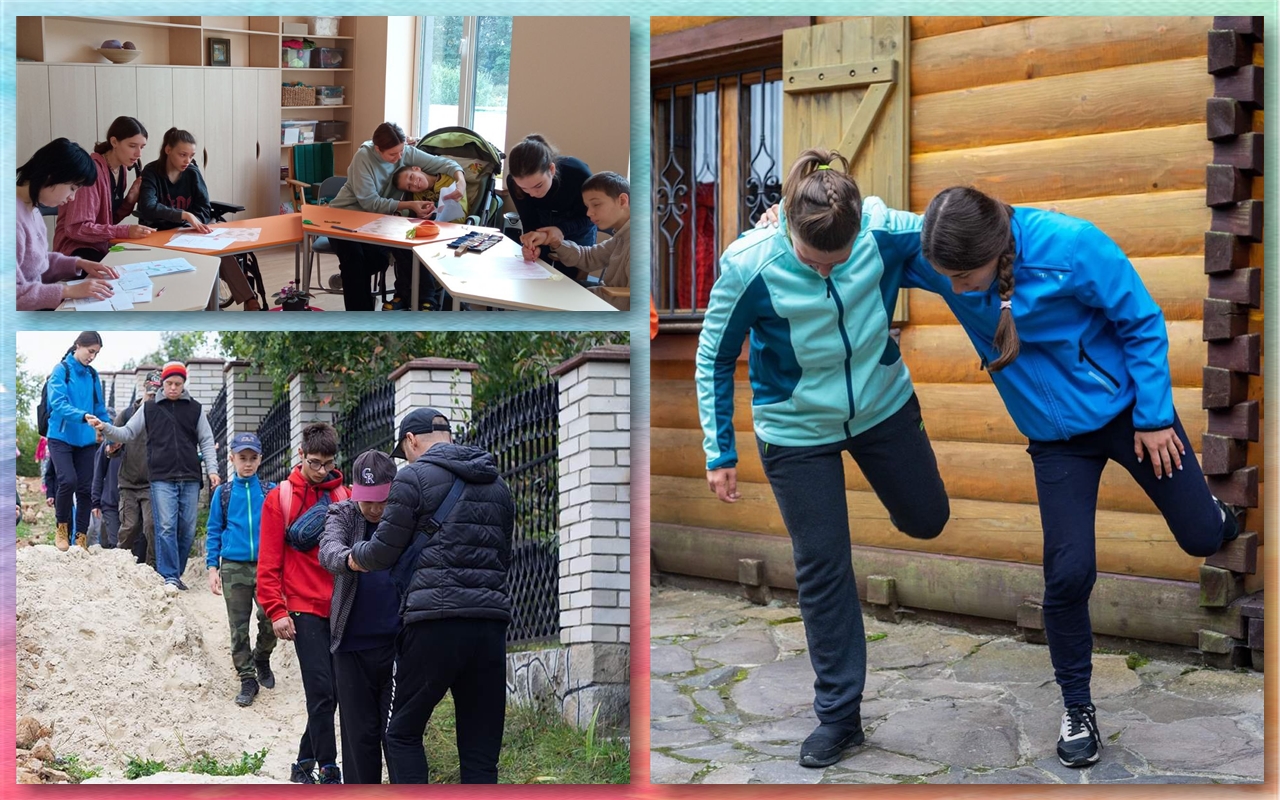
This practice takes place in kindergartens, hospitals, orphanages, homes for the elderly, medical and pedagogical institutions, etc. The experience of empathy, awareness of one's significance in the other person’s life, confrontation with their problems, and a real opportunity to help is the experience that young people gain, learning to live among people and encountering various manifestations of social life.
INDIVIDUAL PROJECTS 8th and 11th grades
The period of a person's life from the age of 14 can be considered the beginning of their biography. Teenagers begin to determine what interests them in the world, what topic they would like to dive into, what they would like to learn, and whom they would like to meet. Individual projects prepared by 8th-grade students help to realize their life interests. This is the first own research that should result in practical, theoretical, and artistic performance. An important point of the project is the ability to present the topic so that your discoveries enrich the ideas of others.
Since the school tradition is that younger students attend presentations by 8th-grade students, they often think about their projects in advance.
At the end of the 7th grade, students are assigned to choose a topic for an individual project.
The class teacher talks about the requirements for the project:
- The practical part assumes that everyone has to do something independently and with their own hands;
- The theoretical part involves a description of the process and research of the topic;
- And, finally, there should be a presentation of the results to the school community, students, parents, and teachers.
In addition, the student chooses two curators: one is a specialist in the project topic and the other is a teacher at the school.
In previous years, we have witnessed presentations on a wide variety of topics: creating animation, the history of the croissant, exquisite desserts, clothing collection, making a real ship in miniature... Every eighth grader brings new ideas!
When writing the theoretical part, students master the form of a scientific presentation of the topic, develop a work plan, describe sections, and become familiar with the requirements for printed text (font, margin, headings, etc.).
This experience of scientific and practical work is repeated at a new level in the 11th grade. This work becomes a summary of school studies, various types of practice, artistic activities, and sometimes the project is connected with future studies and a profession. Now the topics become more complex: creating an album of one's songs, building a workshop, a photo exhibition, writing a story, a poetry evening, etc.
An important point of individual projects is planning the time for work, the ability to communicate, speak in front of an audience, and see the matter through to the end.
This is how, during the school years, gradually, step by step, a student discovers his or her capabilities. By participating in various activities, students gain the most important thing: experience, which will later help them to get to know themselves better, decide on a career, cope with difficulties, and, finally, easily and calmly adapt to the "real" world after school.